


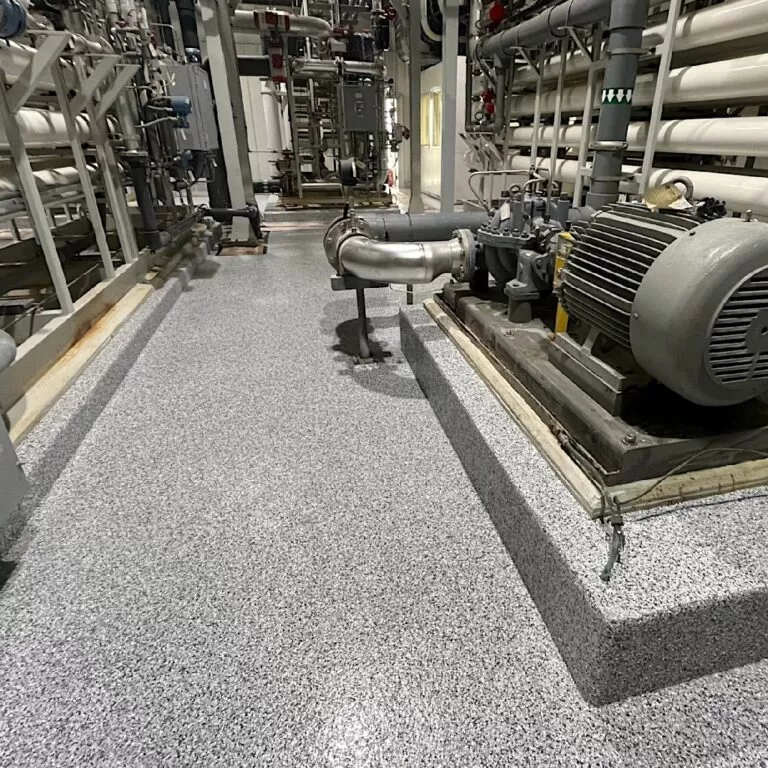
Say you manage a plant that ships every weekday, and the floor really does need replacing. The thought of shutting down makes your stomach drop. How many orders slip? Which customers get annoyed? That worry is why owners put off flooring work longer than they should. If you talk to experienced epoxy flooring contractors early, though, the fear shrinks a lot.
A crew that plans around your operation changes the picture. HPS Floors describes its approach as turnkey, from precise diamond grinding to the final topcoat, built to keep downtime minimal. No one can promise an exact timeline without seeing your building, but the intent is clear, and it’s worth discussing before anything gets signed.
Why Downtime Is the Real Cost
A floor project isn’t only about material. It’s about hours when trucks can’t load, machines can’t move and people have to walk around the work. For busy warehouses and plants, those disruptions can hurt more than the coating costs. So scheduling deserves a seat at the table from the first call.
Be upfront about your calendar. Tell the crew about slow weeks, shift patterns and areas that can’t be blocked. A contractor who listens and adjusts is worth more than one who just names a start date. You’ll feel that difference by the second meeting, honestly.
One Crew From Start to Finish
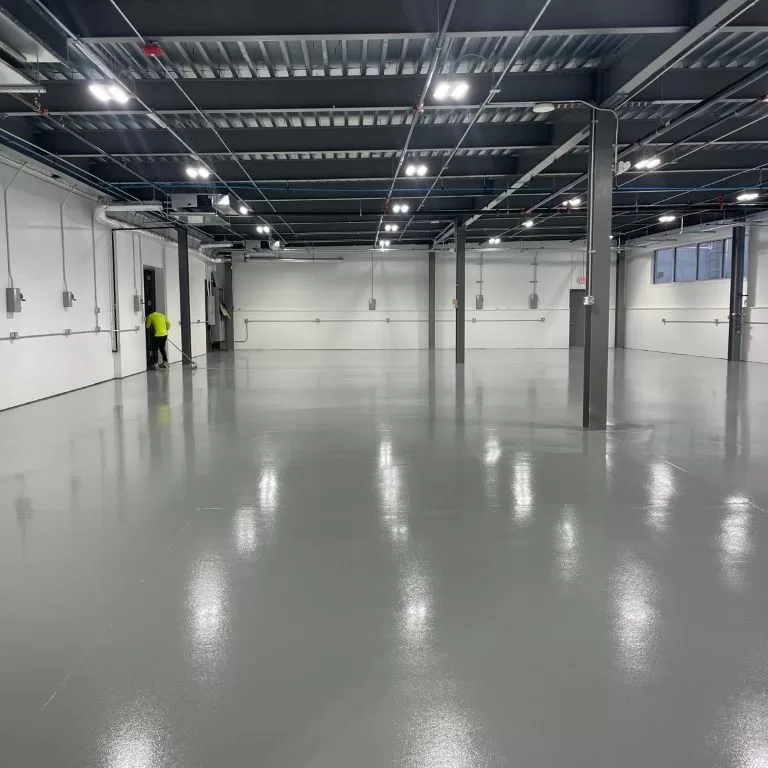
HPS Floors uses seasoned professionals directly, not subcontractors. Fewer handoffs means fewer chances for a gap between prep and coating. When one team owns the whole job, delays are easier to explain and fix, and you aren’t chasing three different companies for answers. It’s a simple setup, and a calmer one.
Where Time Gets Saved or Lost
Preparation is the step people try to rush, and it costs the most when rushed. HPS Floors begins with shot blasting or diamond grinding to reach the exact CSP for a permanent mechanical bond. A floor that fails early means a second shutdown, which is the worst outcome for any busy facility.
Moisture testing sits in that same category. It’s a small step up front that helps avoid redo work later. Redoing a floor in a working facility is the thing you really want to avoid, so a thorough start is actually the faster path over the long run.
Pick the Right System the First Time
Choosing a system that matches your traffic, chemical exposure and moisture conditions prevents repeat work too. HPS Floors designs coatings around those factors before the first coat goes down. A mismatch, like a light coating in a forklift zone, is what leads to early patching and more stoppages.
Ask About the Plan, Not Just the Price
Ask how the work will be phased, where equipment will sit and which areas stay usable. Even rough answers help you gauge experience. A good epoxy flooring contractor can usually talk through this without much hesitation. Vague replies don’t prove anything bad, but detailed ones usually mean they’ve done it before.
Planning for Different Kinds of Spaces
Not every space has the same limits. A food plant has sanitation rules, a locker room has certain busy hours, and a warehouse has loading windows. HPS Floors serves industrial, commercial and foodservice clients, so the crew has seen plenty of different schedules. Share yours, and keep sharing as things change.
For larger organizations, the company also mentions multi state industrial rollouts, delivered on time and within budget. That scale suggests planning isn’t improvised. Still, ask for specifics on your own project, because every site has its own quirks and surprises.
Conclusion
Short downtime starts with honest planning, direct crews, solid prep and the right system for your floor. None of that is flashy, but all of it protects your schedule. If your facility can’t afford long closures, make that the first thing you say in the meeting.